
Advancing education, research and institutional dialogue to strengthen responsibility in public, private and civic leadership.
The Human Duties International Centre is an independent, non-profit institution dedicated to promoting a global culture of Human Duties as a foundational dimension of responsible leadership and sustainable governance.
The Centre operates at the intersection of education, research and institutional cooperation, advancing structured reflection and practical engagement around the role of responsibility in contemporary public life.

The long-term sustainability of legal and institutional systems depends not only on the recognition of rights, but also on the cultivation of responsibility.
Human rights and human duties constitute indivisible and mutually reinforcing components of a coherent normative order. By strengthening the articulation of duties, societies reinforce the ethical and civic foundations necessary for the effective realization of rights.
The Centre contributes to the progressive development of this framework through leadership formation, intellectual inquiry and structured dialogue across sectors.
Structured programs centered on responsibility, ethical governance and decision-making grounded in stewardship.
Academic and policy-oriented research addressing the philosophical, legal and institutional foundations of Human Duties.
Engagement with civil society actors, governments, private sector institutions and international multilateral organizations to foster dialogue, collaboration and strategic partnerships aligned with the principles of Human Duties.
Conceptual and normative reflection aimed at strengthening governance systems through the articulation of Human Duties as a complementary normative framework.
Coordination and support of initiatives aligned with the Centre's mission across regions and sectors.
The Human Duties International Centre Foundation is an independent, non-profit institution established in 2026 in the Republic of Panama.
The Centre was created to advance the study, promotion and institutional development of Human Duties as a complementary normative framework within contemporary international governance systems.
Its work is grounded in the conviction that responsible leadership and civic accountability are essential to the sustainability, legitimacy and long-term coherence of institutional and legal frameworks.
To promote, develop and disseminate a global culture of Human Duties grounded in dignity, responsibility and intergenerational continuity.
The Centre advances this mission through education, research, institutional cooperation and normative development aimed at strengthening responsible leadership in public, private and civic spheres.
The development of structured educational programs centered on responsibility, ethical governance and the practical application of human duties in public, private and civic leadership contexts.
Academic and policy-oriented research addressing the philosophical, legal and institutional foundations of human duties as an integral component of contemporary governance frameworks.
Structured engagement with civil society actors, governments, private sector institutions and international multilateral organizations to foster dialogue, collaboration and institutional alignment around the principles of Human Duties. This pillar includes the development of strategic partnerships designed to support the responsible implementation of Human Duties across sectors.
The advancement of conceptual and normative reflection aimed at strengthening the coherence, legitimacy and sustainability of governance systems through the articulation of human duties as a complementary normative framework.
The encouragement, coordination and support of initiatives aligned with the Centre's mission, facilitating the practical implementation of responsible leadership standards across sectors and regions.
Adopted by Junior Chamber International (JCI) in October 2022 during the JCI World Congress in Hong Kong.
Origin: Introduced under the leadership of 2022 JCI President Argenis Angulo and subsequently developed through a global consultative process engaging members across continents.
Status: Unanimously approved and incorporated into the JCI Constitution, establishing Human Duties as part of JCI's global leadership framework.
Grounded in the recognition that the realization of rights requires the articulation of responsibilities, the Declaration defines seven normative duties intended to guide ethical leadership and institutional conduct.
The Seven Normative Duties
Together, these duties constitute a coherent ethical framework integrating dignity, sustainability and accountability.
Following its adoption, the Declaration became the foundation of the International Human Duties Initiative led by JCI.
In 2024, under the presidency of JCI President Kaveen Kumar Kumaravel, the global campaign toward the institutional recognition of July 10 as International Human Duties Day was significantly advanced.
Subsequent institutional milestones and structured engagement efforts have positioned the concept of Human Duties within contemporary international and multilateral policy discussions.
July 10
International Human Duties Day
Adopted unanimously by JCI members across continents.
The Human Duties International Centre formally recognizes, supports and promotes the Universal Declaration of Human Duties for Leaders of JCI as a significant milestone in the contemporary articulation of responsibility within global civil society.
Originally adopted within the framework of leadership, the Declaration represents an initial structured step in the development of a broader normative reflection on Human Duties. While its scope was directed toward leaders, its conceptual foundation reflects principles applicable to all members of society.
The Centre advances the understanding of this Declaration not as an endpoint, but as a formative stage in the progressive development of a more comprehensive global framework of Human Duties — one that aspires to engage citizens, institutions and communities worldwide.
Through research, education and institutional dialogue, the Centre contributes to the long-term objective of fostering a universal culture of responsibility consistent with international governance principles.
The Human Duties International Centre operates under a structured governance framework established in its founding charter, ensuring institutional continuity, strategic direction and normative integrity.
The Foundational Council serves as the principal strategic body of the Centre. It is responsible for guiding institutional development, programmatic direction and long-term strategic alignment in accordance with the Centre's statutory objectives.
The Board of Protectors safeguards the foundational principles and ethical commitments of the Centre. It ensures normative coherence, institutional integrity and alignment with the Centre's mission and long-term vision.
Founding President
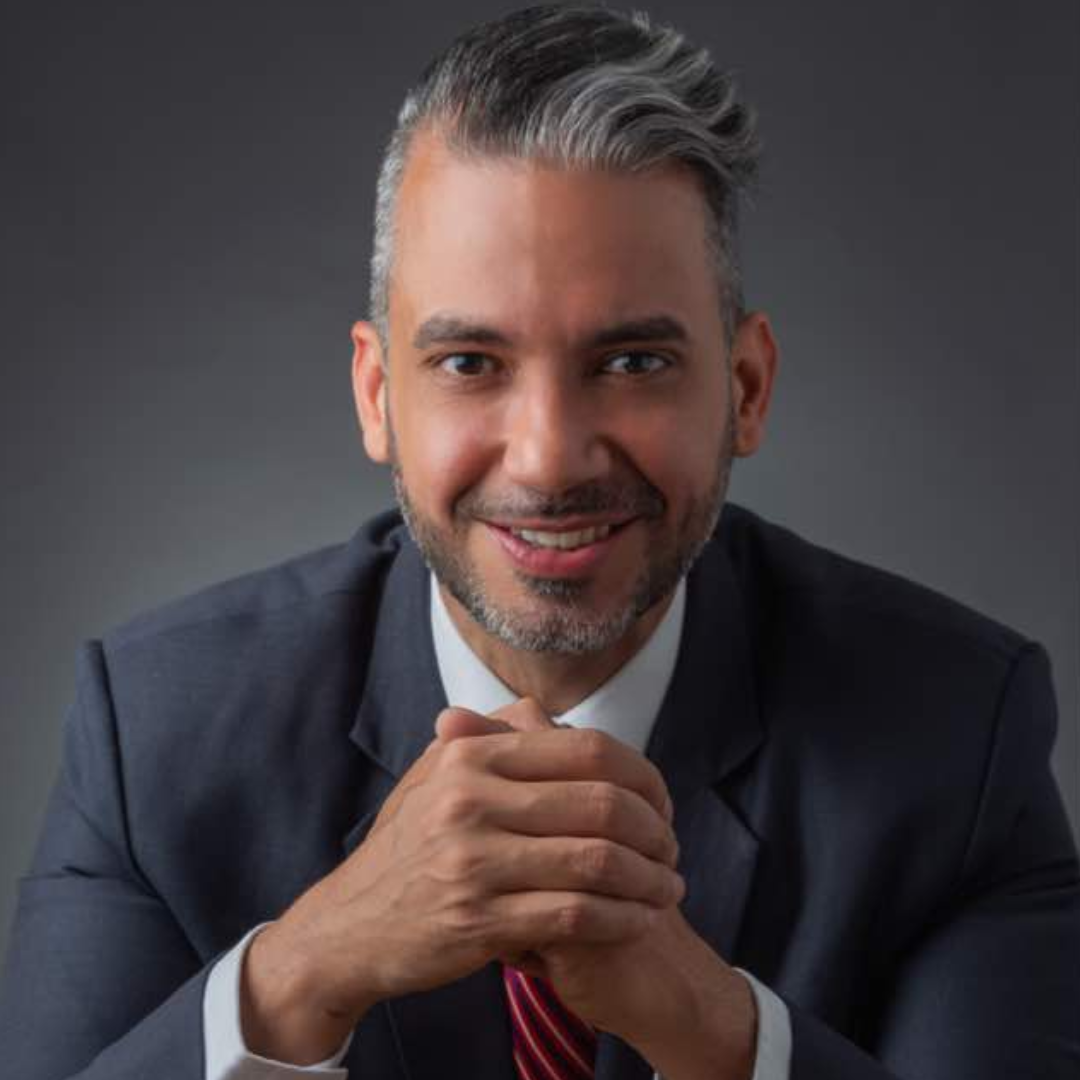
Argenis Angulo serves as Founding President of the Human Duties International Centre. He previously served as 2022 World President of Junior Chamber International (JCI), a global leadership organization operating in more than 100 countries and holding General Consultative Status with the United Nations Economic and Social Council (ECOSOC).
During his presidency, the Universal Declaration of Human Duties for Leaders was formally introduced and unanimously adopted within JCI, marking a significant milestone in the contemporary articulation of responsibility in global leadership.
With more than two decades of international experience in leadership development and communication, he has delivered educational programs and institutional engagements across more than 60 countries, collaborating with multinational corporations, universities, governments and civil society organizations.
Help us foster a universal culture of responsibility consistent with international governance principles.
© 2026 Human Duties International Centre Foundation. Independent, non-profit institution.